
BLOG 64/2026 dated 22nd November 2026
Herbert A Simon, a 1978 economics Nobel prize winner writes,
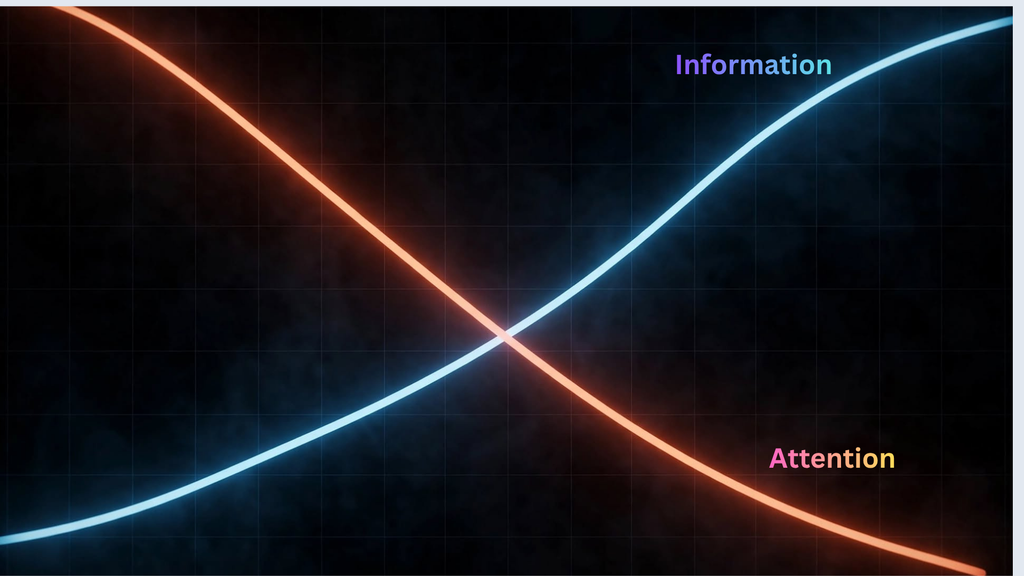
“In an information-rich world, the wealth of information means a dearth of something else: a scarcity of whatever it is that information consumes. What information consumes is rather obvious: it consumes the attention of its recipients. Hence a wealth of information creates a poverty of attention and a need to allocate that attention efficiently among the overabundance of information sources that might consume it.
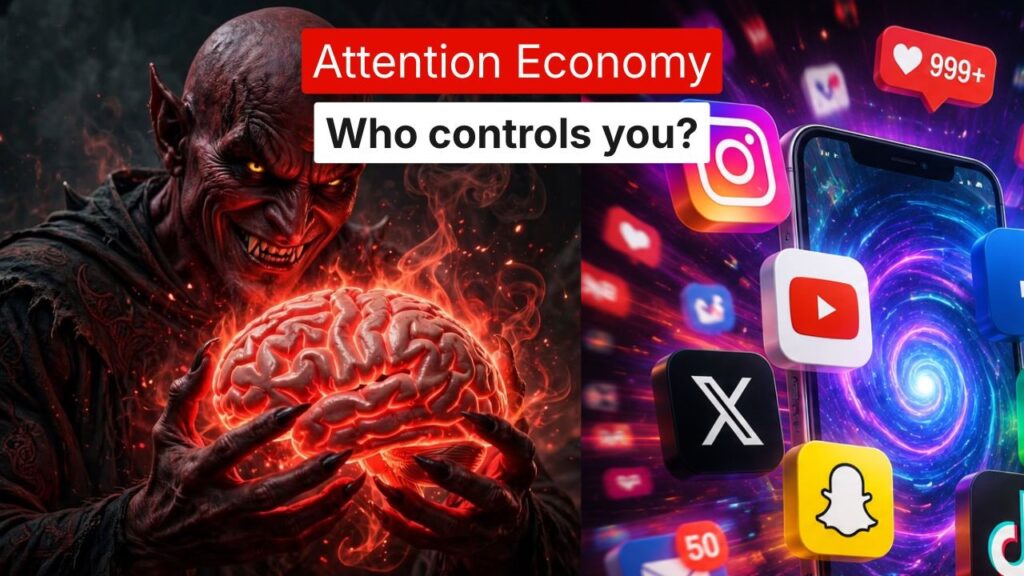
Attention economy had taken birth during that time, but has taken a shape and grown into a significant economic sector in the 21st century. This economics is based on the relation between the information and attention. As the availability of information becomes abundant, the attention span goes down. Every time we open a social media application, we enter a marketplace where our attention is the commodity. We may believe that we are consuming free content, but there is an economic transaction taking place behind the screen. The question is: who is benefiting from this transaction? Attention economy has now turned our attention into a source of profit for corporations, which compete to capture and monetise it, often by offering users an artificial sense of satisfaction in return.
What is Attention Economy and how does it work?
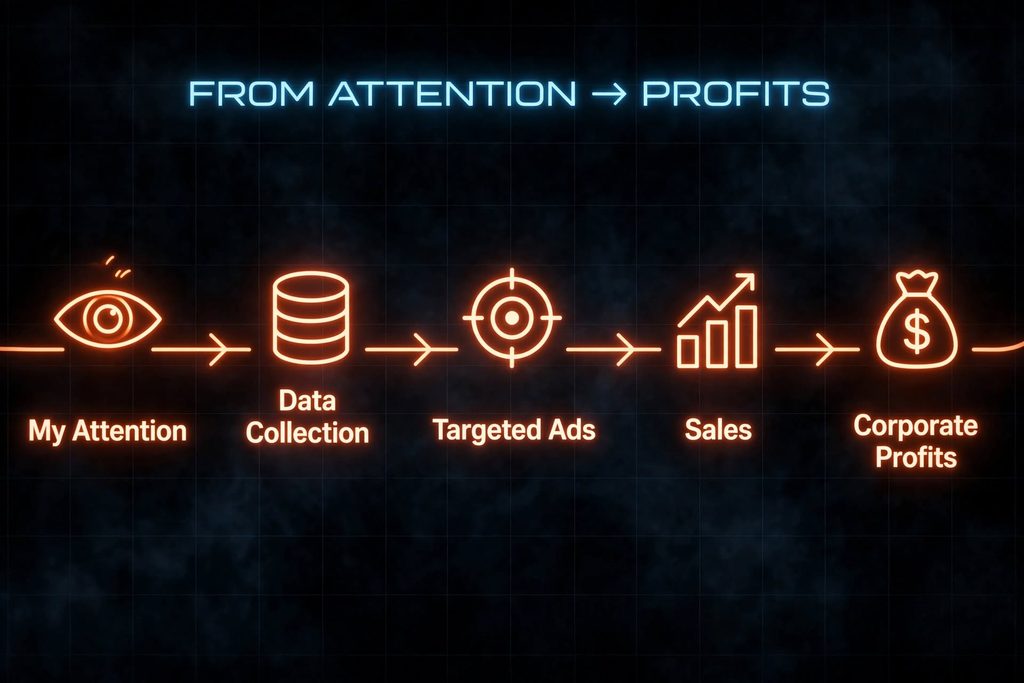
An industry designed to capture our attention uses our cognitive characteristics and behavioural patterns to collect data. This data is then monetized and used by corporations to present advertisements that appeal to us and ultimately influence our purchasing decisions. Businesses, content creators and advertisers compete with one another to steal even a few seconds of our attention. This has turned our minds and cognitive abilities into raw material for their businesses. Ironically, we are not paid anything for this continuous supply of attention, even as we remain glued to algorithm-driven content. Endless browsing and constantly switching from one video to another on YouTube, Instagram, X and other platforms have become normal features of everyday life for many of us. In the process, our habits, interests and preferences become valuable data for the market. This data is then used to attract us repeatedly and influence our consumption choices.
The United Nations, in its April 2026 issue brief titled Strengthening Information Integrity, writes:
“The scale at which attention is monetized is substantial. Global advertising spend reached an estimated US$1.14 trillion in 2025”
The process follows a simple economic cycle. Every time we spend time on a digital platform, our clicks, searches, viewing preferences and engagement patterns generate valuable behavioural data. Algorithms analyse these signals to understand our interests and keep recommending content that is likely to retain our attention. The longer we remain engaged, the more opportunities the platform gets to display advertisements. Advertisers pay these platforms to reach specific audiences, generate clicks and influence purchasing decisions. Thus, our attention becomes the economic resource, our behavioural data becomes the tool for understanding us, and advertising becomes the principal channel through which this resource is monetised. What appears to us as free digital entertainment is, in reality, part of a carefully designed commercial ecosystem.
Attention economy has created opportunities for the business. It has also helped the creators, researchers and producers to understand the human behaviour more closely to better fulfil their needs. However, the growth of attention economy poses greater challenges for the human societies and economies. It not only consumes our attention, it doesn’t allow us to concentrate on productive things, it also creates various social issues. Let us discuss some of the negative effects of these ‘externalities.
Negative effects of the Attention Economy:
Cognitive Fragmentation:
Frequent notifications and quick context switches break concentration. Even brief interruptions can leave your mind needing substantial recovery time to return to deep, uninterrupted work. This hurts serious research work or deep study of the subject. The ability to stay on a subject slowly diminishes and society as a whole becomes restless to get quick results, that may or may not be possible at times. The devastating effect of this fragmentation is erosion of human capital. Excessive consumption of low-value digital content can divert time and attention from education, professional development, skill acquisition and productive activities.
Manufactured anxiety:
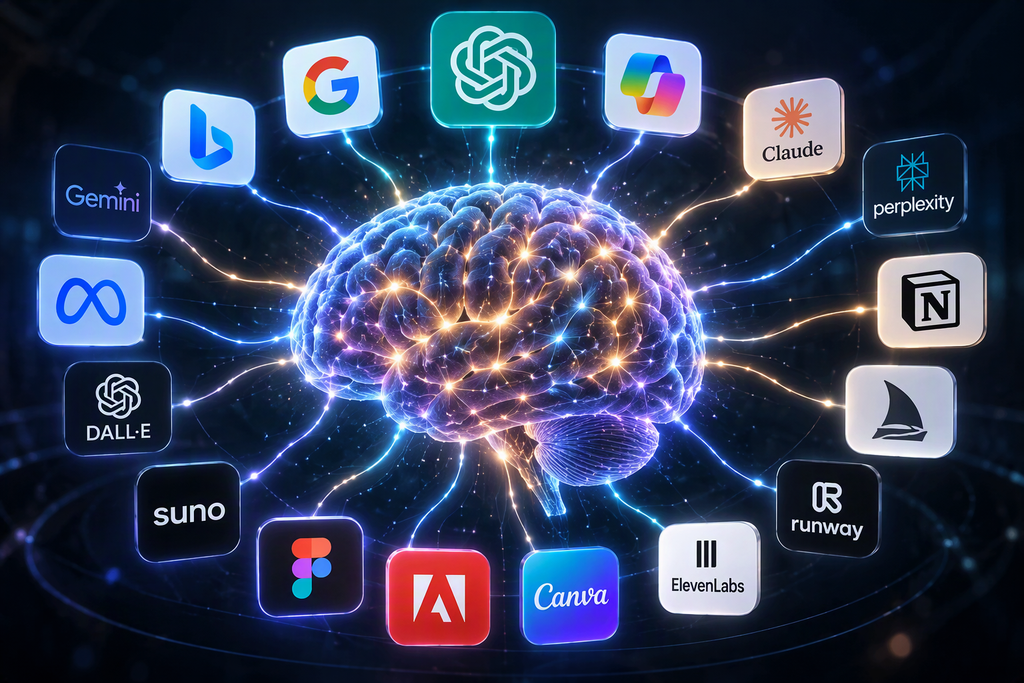
Infinite number of video and data is displayed before a person that may or may not be any use for him/her. The desires and needs are pampered on a video screen often creating and unfulfilled demand. This gap easily fuels restlessness and self-doubt. This also creates the differences in our social relations within family. An artificial need is created and often we make undesirable efforts to fulfil that need.

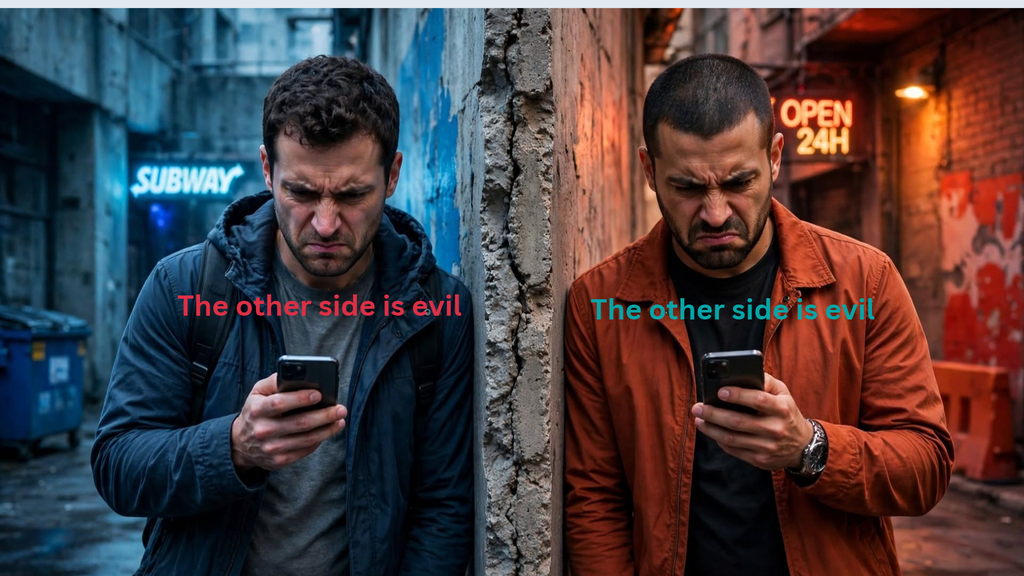
Epistemic Collapse (Polarization):
Feeds tailored to what triggers reactions can isolate people in sharply different information bubbles, making shared facts and everyday empathy harder to maintain. The hatred and negative reels attract more than a passive and positive news. The set of negative media attraction presented before one may be just contrary to what is presented to his/her neighbour. Continuous feeds to the mind have the potential of creating a rift between the two.
Opportunity cost:
Every hour spent in an endless feed carries an opportunity cost—the next-best thing you could have built, learned, rested into, or experienced. Three hours a day adds up to more than 1,000 hours a year, enough time to make meaningful progress on a skill, a side project, health, or reading.

“The current model of the attention economy is detrimental to peace, justice and strong institutions, or SDG16.”
UN – New economics for sustainable development (link attached)
How to protect your attention?
Your attention is your asset. Don’t let others own its returns
Well, the economy has taken its course. There is no point cursing what is already happening and has already created a trillion-dollar economy. We need to convert the losses into benefits, but for that we need discipline. There can be various ways an individual can find to become the beneficiary of this entire process. Let us discuss a few:
Become an investor not the raw material
We become a raw material only if the algorithms are able to guide our mind towards a visual or allocate our attention span to the targeted media display. We become an investor in the system when we decide, what to see? When to see? How much to see? As an investor measure the return on investment, we also have to measure the return of benefits of our time that we have deployed. Select the reels/videos that add to our value by enhancing our knowledge and skill. That knowledge and skill must add to our deliverables at our work place or in positively building our social relations i.e within the family or outside the family.
Adopt a digital detox program
Once we recognise that we are becoming raw material for the attention economy by remaining glued to digital media, we can adopt a digital detox programme.
- In such plan, we have to segregate the important and unimportant media reels/videos. Avoid undesirable videos that gives us only satisfaction, pleasure, feel good without adding anything to our value.
- Avoid short reels and watch full videos of at least above 6-8 minutes. This will help you to stay on one theme.
- Close mobile phone at dinner time or when in serious discussions. Keep it away at sleep time and in early morning time.
- Refer to digital detox video in the link below for a 7 days digital detox plan.
Embrace boredom
There is nothing wrong with allowing our minds to rest for some time without doing anything. Simply watching a tree, looking at the sky or observing the traffic on the road for 10–15 minutes can give our minds a break from algorithm-driven stimulation. Sometimes, doing nothing is also productive. It gives our minds an opportunity to relax, reflect and regain control over our attention.
A Happy ending
Even this blog should be closed after a reasonable amount of time. If you have managed to read this full blog without an interruption, you have already taken the first step towards becoming an investor in the Attention economy rather than its raw material. Keep moving. Spend some time talking to your family members and friends. Reboot your time management and reclaim your attention.
Help someone, not by sharing this blog, but by talking to them.
Readers can also read Managing Time – At Silly Point
Frequently asked questions
About the Author
The above blog is authored by Sayed Azhar Hasan; an independent Financial Analyst. For further details, please refer the about us page @ About us new – At Silly Point
Disclaimer
This article presents an independent, educational perspective on Attention economy. It is intended for general information and discussion. For detailed disclaimer, please refer the disclaimer page @ Disclaimer new – At Silly Point
Discover more from At Silly Point
Subscribe to get the latest posts sent to your email.
Suggest any other ways to remain productive and help others.